Programmatic SEO Framework: How to Choose Niches, Patterns & Intent That Scale
Step 1: Choosing the Right Niche (Patterns + Outcomes)
The first decision was not about keyword volume, but about search behavior.
If a query has a fixed answer, Google will almost always win.
What Doesn’t Work
- Static formulas
- Direct facts
- One-line definitions
These are easily replaced by featured snippets or AI overviews.
What Works
I looked for niches where:
- Inputs change
- Outputs change
Users want context, not just the result
Example: A simple math formula has one outcome. A currency converter, on the other hand, changes every day—and users also want:
- Historical data
- Trends
- Future expectations
That extra layer of complexity creates opportunity.
Key insight:
If the answer changes—or needs interpretation—it’s a valid programmatic niche.
Step 2: Identifying Keyword Patterns (Before Clustering)
Instead of starting with tools, I started with query logic.
For example:
- “what does 2+2 mean”
- “2+2 meaning”
- “2+2”
Different phrasing, same intent: understanding.
The goal here wasn’t to create multiple pages, but to identify repeatable structures that could scale across hundreds or thousands of similar queries.
Once a pattern could be repeated—and each variation still demanded a unique explanation—it passed validation.
Step 3: Building Intent-Based Keyword Clusters
Only after validating patterns did I move to keyword clustering.
Rather than grouping by volume, I grouped by intent.
Example Cluster
- what does [X] mean
- meaning
- explain [X]
- definition
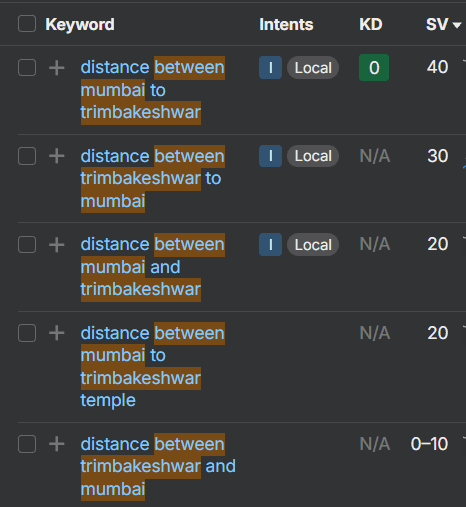
Cluster keywords for same intent keywords
All of these map to one page, not many.
This avoided thin content while ensuring complete coverage of how users search around the same problem.
Step 4: Creating Templates That Feel Handwritten
Google doesn’t penalize AI. It penalizes interchangeable pages.
So the focus was on designing templates that:
- Look different
- Sound different
- Feel purposeful
Every Page Template Included:
- A query-specific headline
- A direct answer above the fold
- Contextual explanation
- Real-world relevance
- Examples or scenarios
- Related variations
The structure stayed consistent—but the answers did not.
Step 5: Dynamic Answers Were the Core Differentiator
This was the most important step.
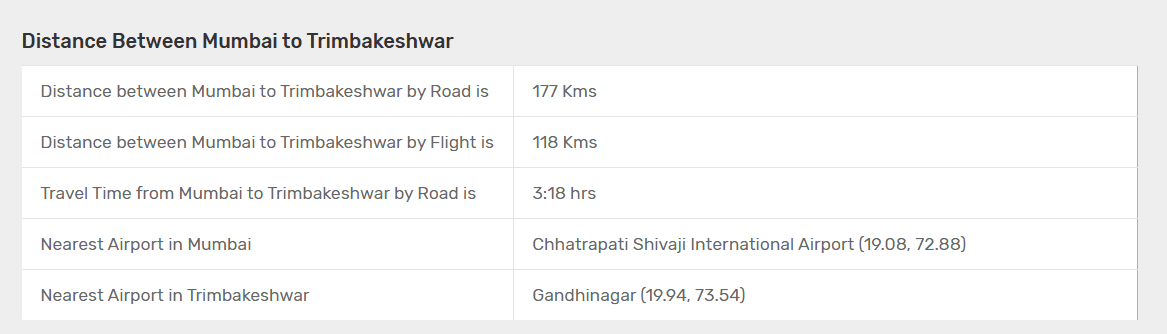
Instead of swapping keywords into static text, every page generated:
- A unique output
- A unique explanation based on that output
For example:
- A calculator didn’t just show a number—it explained what the number meant
- A “meaning” page didn’t just define—it contextualized usage
Rule followed:
If two pages can share the same explanation, they shouldn’t exist separately.
Step 6: Adding “Content Weight” Without Fluff
Length was never the goal. Usefulness was.
I added depth using:
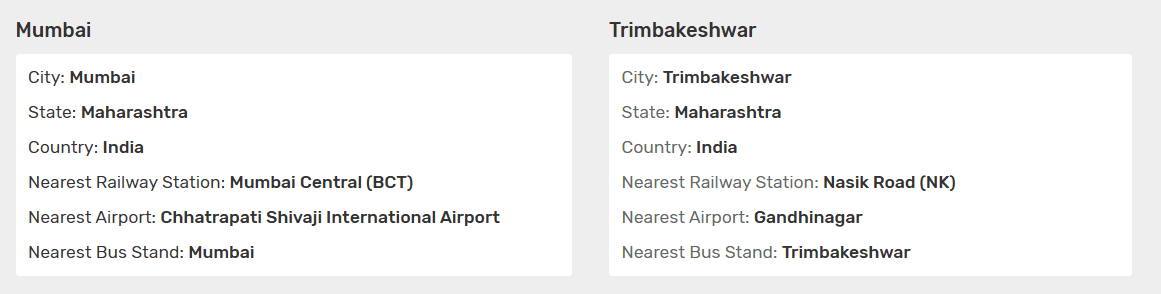
Additonal Information content blocks to add context
- Short FAQs
- Tables and breakdowns
- Visual examples
- “Why this matters” sections
These were template-driven but outcome-specific, making each page stronger without bloating content.
Step 7: Internal Linking Based on Logic
Instead of random linking, pages were connected by:
- Similar inputs
- Progressive difficulty
- Related meanings or outputs
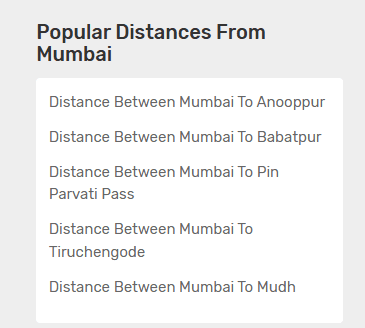
automated Internal linking for programmatic SEO
This helped users explore naturally and helped search engines understand topical depth.
Step 8: Indexing Control (An Often Ignored Step)
Not every generated page was indexed.
Pages were:
- Indexed only if they had unique outputs and demand
- No-indexed if they were repetitive or low-value
This kept crawl efficiency high and avoided dilution.
https://developers.google.com/search/apis/indexing-api/v3/quickstart
Pro tip - You can Integrate Google Indexing API to ensure multiple new pages get crawled and indexed regularly.
Results & Learnings
While traffic growth wasn’t the only KPI, the approach resulted in:
- Better engagement metrics
- Stronger topical authority
- Pages ranking without heavy backlink dependency
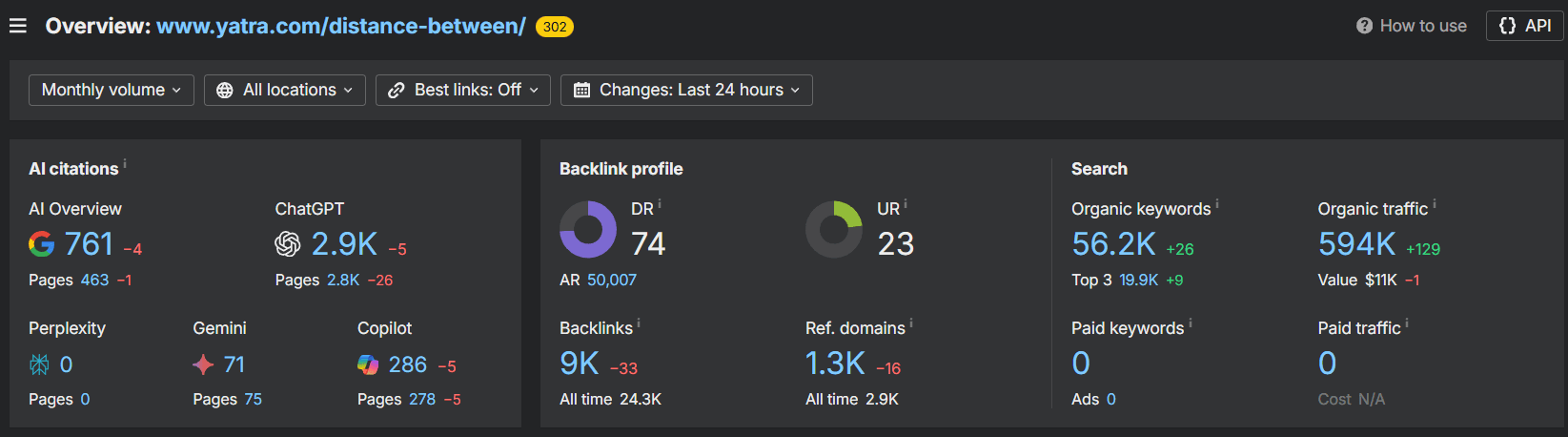
More importantly, the site scaled without sacrificing quality.
Yatra's Distance between sub-folder generate half a million traffic every month by just the right programmatic SEO execution.
Final Takeaway
Programmatic SEO isn’t about creating more pages. It’s about creating more useful answers at scale.
When every page solves one real problem clearly, Google doesn’t see automation—it sees relevance.