137% Growth with Multilingual SEO for a Home Building Brand in India
See how we scaled a home-building brand in 9 Indian languages, driving 137% more regional traffic with a powerful multilingual SEO strategy.
The Problem
Despite strong brand recognition in urban areas, the client's website was underperforming in rural and regional markets — where 65% of their ideal customers lived
Over 80% of organic traffic was coming from English-language content
Regional keywords like "घर कैसे बनाएं" or "வீட்டமைப்பு கட்டுமானம்" were not indexed or ranking
The website's language strategy was fragmented, with partial translations and no localized SEO optimization
No hreflang implementation, no language subdirectories, and no CMS support for scaling content across languages
Our Multilingual SEO Approach
We built a fully scalable Multilingual SEO framework to capture regional demand across 9 Indian languages.
Solution 1
🌍 Language Infrastructure & CMS Setup: Implemented language-specific subdirectories (/hi/, /ta/, etc.), structured the site for scalability using WPML + custom schema modules, enabled hreflang annotations
Solution 2
🔑 Regional Keyword Research: Built custom keyword maps in each language using native search terms, focused on vernacular search behavior, grouped keywords by funnel stage
Solution 3
📝 Localized Content at Scale: Translated and culturally localized high-performing English pages, created new city/service pages tailored to local search trends
Solution 4
⚙️ Technical SEO Enhancements: Implemented dynamic hreflang tags, set up alternate canonical logic, generated multilingual XML sitemaps
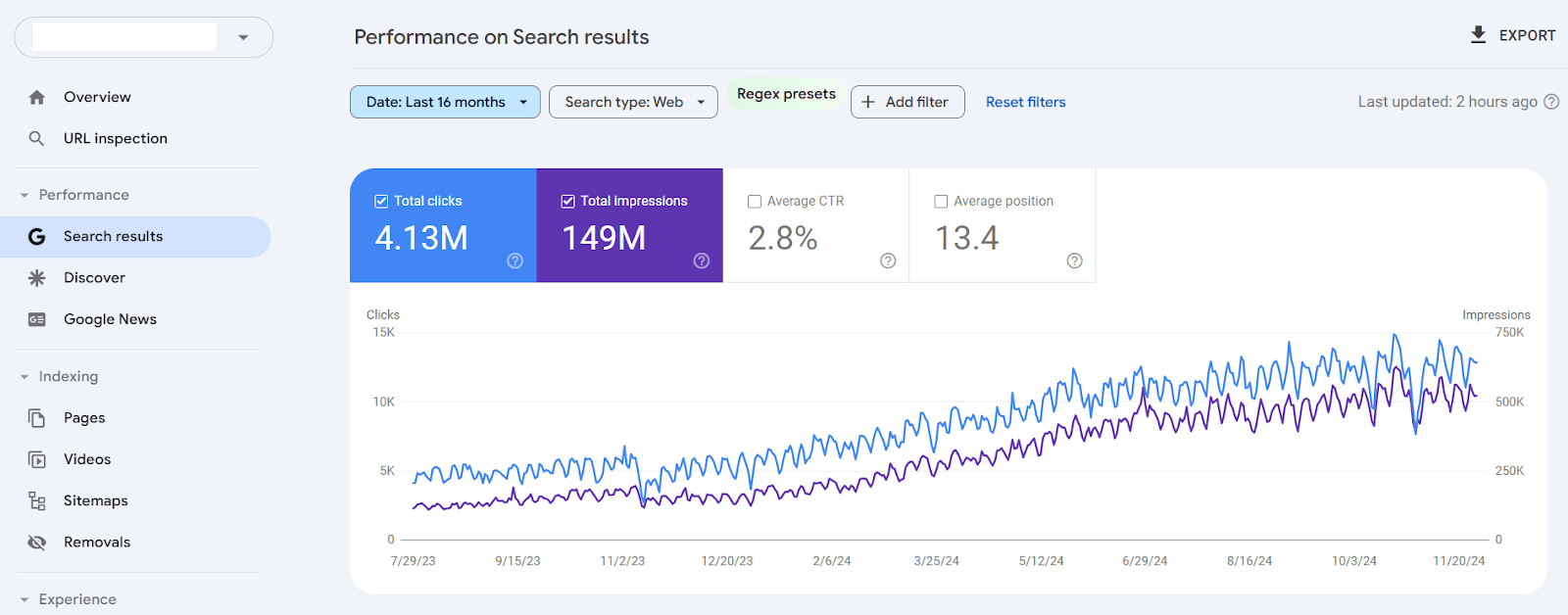
The Result: 137% Growth in Regional Organic Traffic
Regional Organic Clicks
Indexed Language Pages
Avg. Page Duration (Regional)
Language-Specific Impressions
Key Takeaways
The biggest unlock wasn't a tactic — it was a mindset: SEO brings the right people to the page. CRO decides whether they leave with a cart or a bounce. Optimize one without the other and you're just paying to fill a leaking bucket. The 6.25X lift didn't come from more traffic alone, or better conversion alone. It came from the interplay between them, compounded consistently on four hours a week of strategy. For a small brand, that's the whole game — out-learn the giants faster than they can react, instead of trying to out-spend them.
Treating SEO and CRO as one connected motion, not two silos
A/B testing every meaningful change instead of guessing
Measuring add to carts and thus revenue as a primary metric alongside sessions or rankings